Creamy Homemade Alfredo Sauce
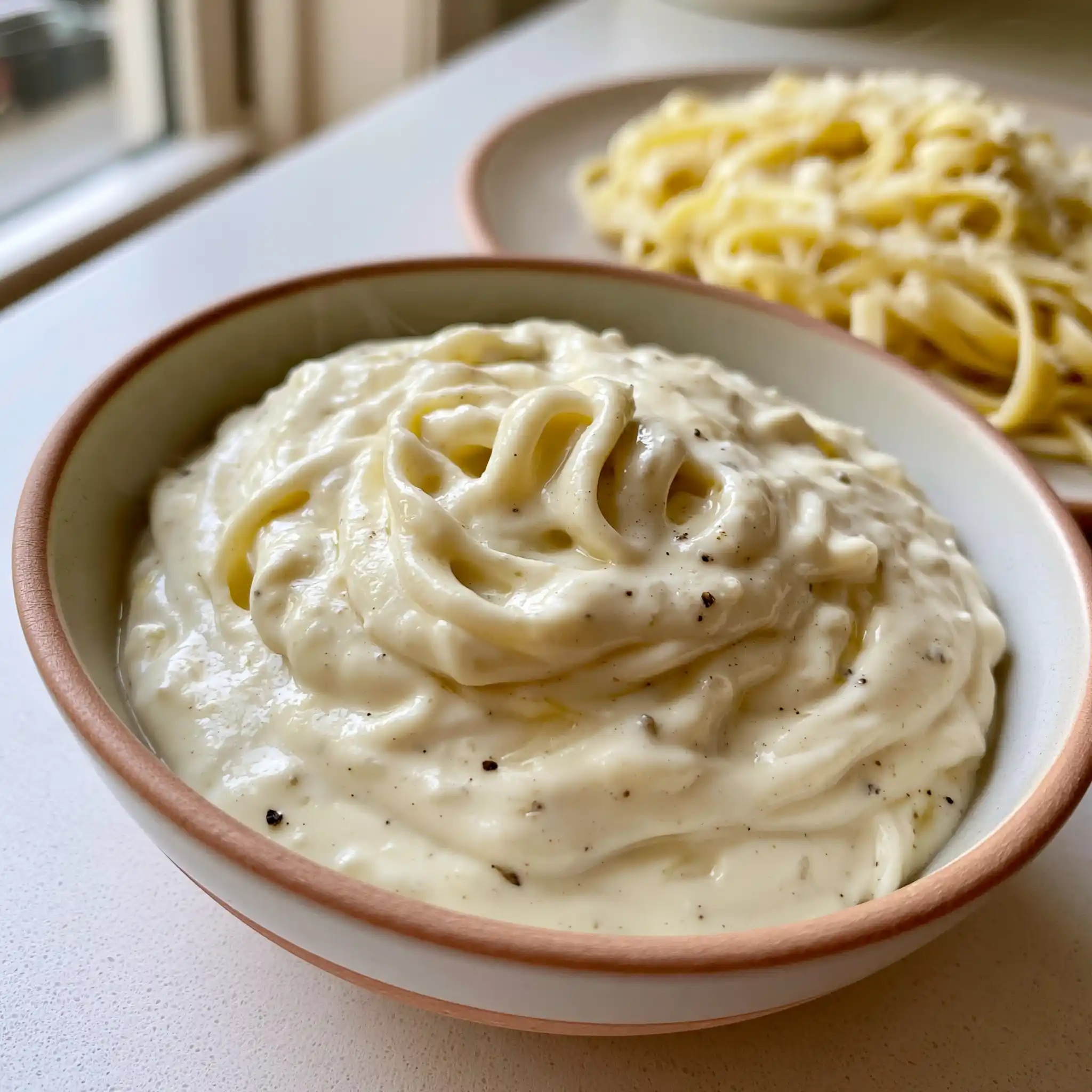
A smooth garlic-Parmesan cream sauce made with butter, heavy cream and freshly grated cheese for fast restaurant-style pasta at home.
Creamy Alfredo Sauce: Quick Answer
Melt the butter gently, cook the minced garlic for 30 to 60 seconds, then stir in the heavy cream and let it simmer gently for 3 to 4 minutes. Lower the heat before adding freshly grated Parmesan in small batches. Stir until smooth, season to taste, and loosen the sauce with a little reserved pasta water if needed. Serve immediately because Alfredo thickens quickly as it cools.
Creamy Homemade Alfredo Sauce is one of those simple recipes that can completely transform a bowl of pasta. Butter, heavy cream, freshly grated Parmesan, garlic and a little seasoning become a smooth, rich sauce in only a few minutes.
Unlike many bottled sauces, this homemade version has a fresh Parmesan flavor and a silky texture without a complicated ingredient list. Everything happens on the stovetop, so it works well for busy weeknights, date-night pasta or any evening when you want a comforting meal without a long cooking session.
The same sauce can coat fettuccine, linguine, penne or rigatoni, and it is easy to turn into a fuller dinner with chicken, shrimp, broccoli, spinach or mushrooms. The important part is not rushing the dairy and cheese. Gentle heat gives the Parmesan time to melt instead of tightening into grainy clumps.
“The secret to a beautiful Alfredo sauce is gentle heat and freshly grated Parmesan. Give the cheese time to melt slowly, and you’ll get that smooth, creamy finish everyone loves.”
— Solivia
Why You’ll Love This Homemade Alfredo Sauce
- Ready in about 15 minutes: no long simmering or complicated prep.
- Rich and creamy: heavy cream and Parmesan create a smooth sauce that coats pasta beautifully.
- Simple ingredients: butter, garlic, cream, Parmesan and seasoning do most of the work.
- Fresh flavor: freshly grated Parmesan tastes brighter and melts more smoothly than many bottled sauces.
- Easy to customize: add chicken, shrimp, vegetables, herbs or Cajun seasoning.
- Flexible serving: use it for pasta, vegetables, gnocchi, ravioli, tortellini or baked dishes.
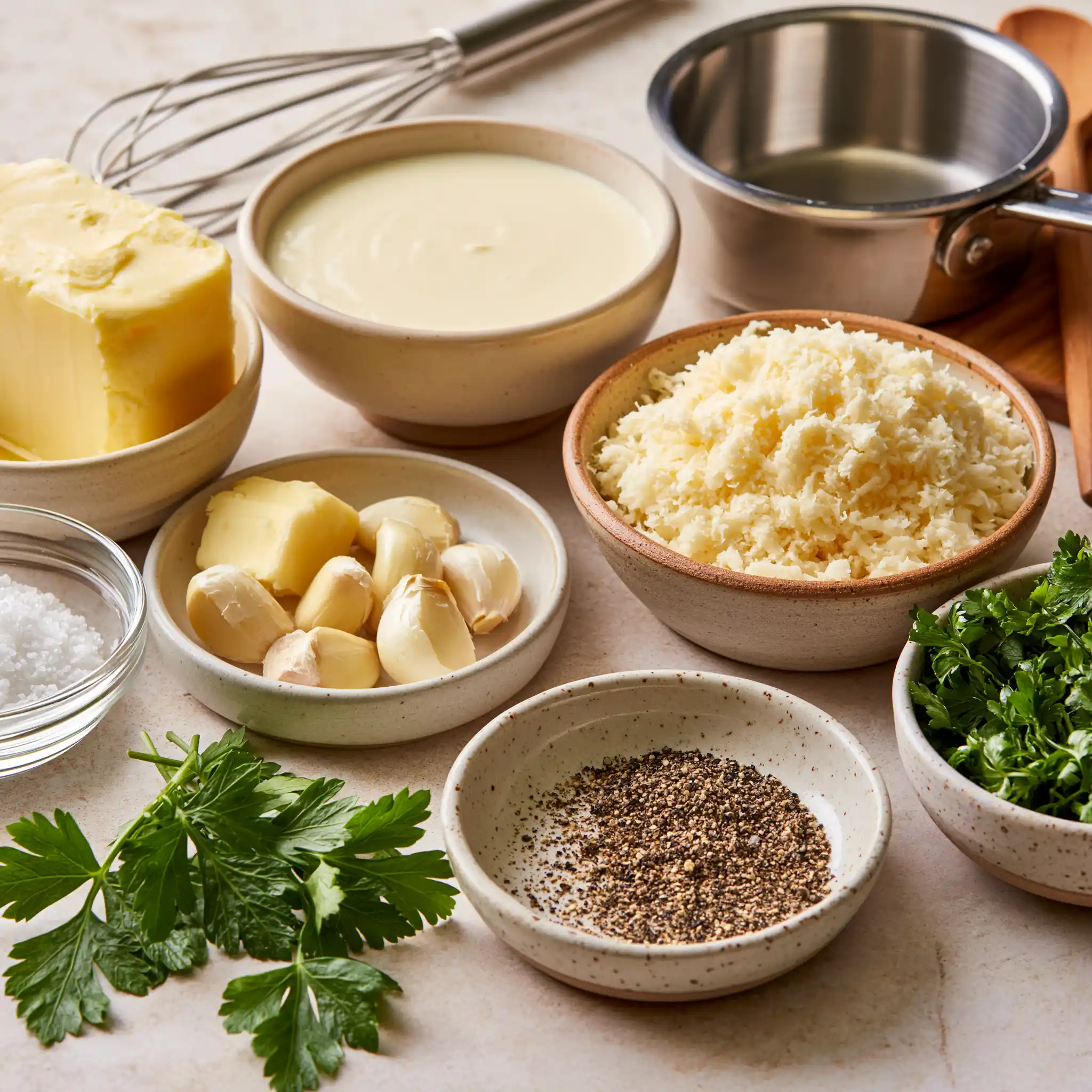
Ingredients for Creamy Homemade Alfredo Sauce
Main Ingredients
- ½ cup unsalted butter
- 3 garlic cloves, finely minced
- 2 cups heavy cream
- 1½ cups freshly grated Parmesan cheese
- ½ teaspoon salt, or to taste
- ¼ teaspoon freshly ground black pepper
Optional Finishing Ingredients
- Pinch of ground nutmeg
- 2 tablespoons chopped fresh parsley
- Reserved pasta cooking water, as needed
- Extra Parmesan and black pepper for serving
Yield note: this amount makes enough sauce to generously coat about 12 ounces of pasta. For a full pound of pasta, you may prefer a slightly larger batch.
Ingredient Notes for Smooth Alfredo Sauce
Butter
Unsalted butter gives you better control over seasoning because Parmesan already contributes plenty of salt. Melt it gently and do not let it brown.
Heavy Cream
Heavy cream gives the sauce its richest texture and handles gentle heating well. Lower-fat dairy makes a thinner sauce and can separate more easily.
Parmesan
Buy a block and grate it shortly before cooking. Finely grated cheese melts more evenly, while packaged shredded cheese may contain anti-caking ingredients that interfere with smooth melting.
Garlic
Three cloves give a noticeable but balanced flavor. Cook the garlic only until fragrant; dark garlic can taste bitter in a delicate cream sauce.
Black Pepper
Freshly ground pepper balances the richness. Start with a small amount and adjust after the Parmesan is fully incorporated.
Nutmeg
A tiny pinch is optional. It should not taste distinctly like nutmeg; the goal is simply a little extra warmth and depth.
Can You Use Milk Instead of Heavy Cream?
Whole milk can be used, but the finished sauce will be noticeably lighter and thinner. Heavy cream is more reliable because its higher fat content produces a smoother texture and is less likely to separate when heated.
Whole Milk
Creates a lighter sauce and may need additional thickening. It does not reduce and thicken in exactly the same way as heavy cream.
Half-and-Half
A middle-ground option that can make a lighter Alfredo. Keep the heat gentle because it is less rich than heavy cream.
Cream Cheese
It can be used in some Alfredo-style sauces, but it creates a thicker, tangier result. This recipe relies on cream and Parmesan instead.
What Pasta Is Best With Alfredo Sauce?
Fettuccine is a natural favorite because its wide surface carries a generous coating of cream sauce. Other shapes work well too, especially when you add vegetables or bite-size protein.
Fettuccine
Wide strands hold a rich, even coating and make a classic Alfredo-style plate.
Linguine & Spaghetti
Long noodles work well when the sauce is kept fluid enough to move easily through the strands.
Penne & Rigatoni
Short tubes are useful for chicken, broccoli, mushrooms or other bite-size additions.
Farfalle & Rotini
Their folds and curves catch sauce nicely and work well for casual family meals.
Homemade Alfredo Sauce at a Glance
| Recipe Detail | Information |
|---|---|
| Prep Time | 5 minutes |
| Cook Time | 10 minutes |
| Total Time | 15 minutes |
| Servings | About 4 |
| Difficulty | Easy |
| Cuisine | Italian-American inspired |
| Cooking Method | Stovetop |
| Pasta Coverage | About 12 ounces pasta |
How to Make Creamy Homemade Alfredo Sauce
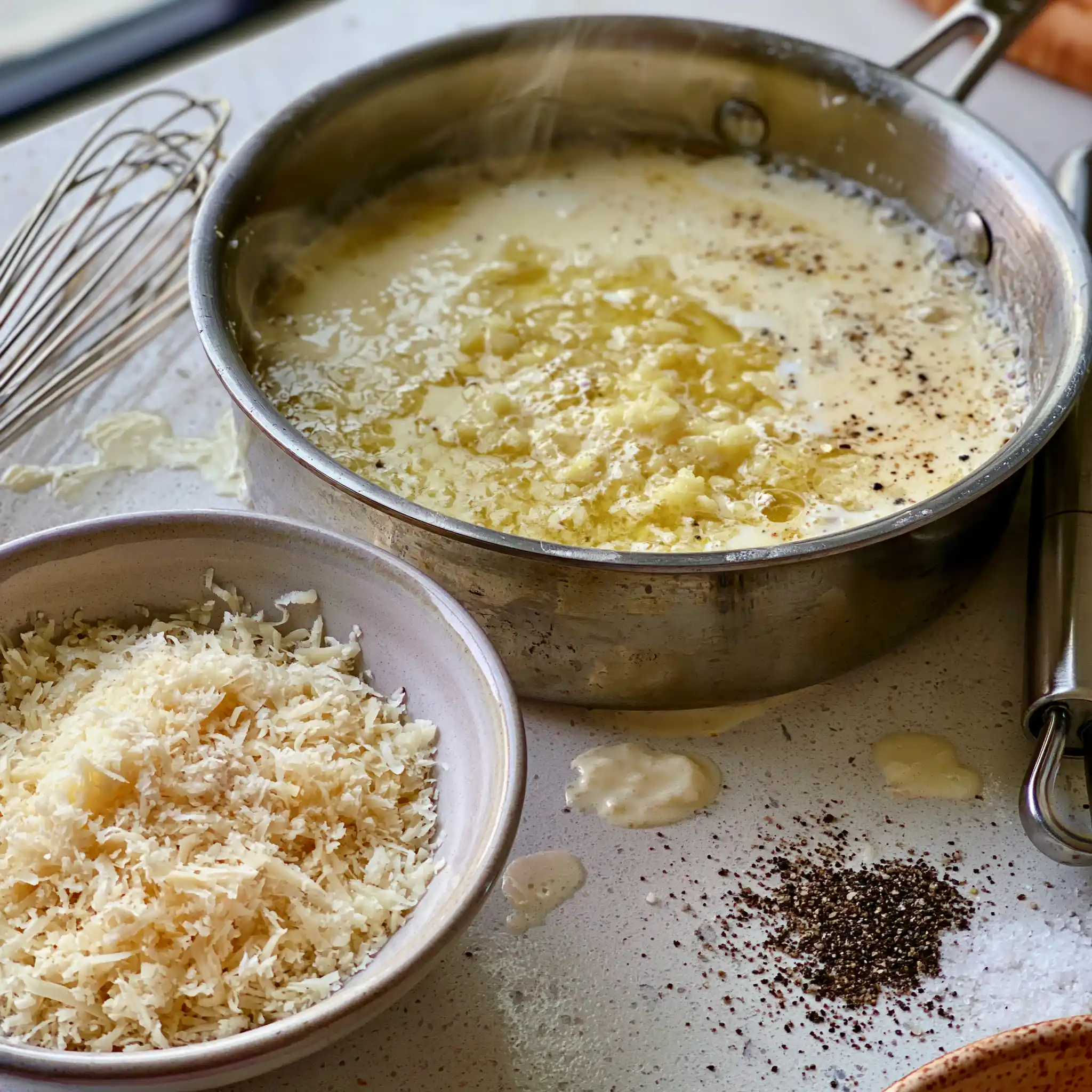
Prepare Everything First
Grate the Parmesan, mince the garlic, measure the cream and have the seasonings ready. If you are serving pasta, cook it at the same time and reserve about 1 cup of cooking water before draining.
Melt the Butter
Place a large skillet or saucepan over medium-low heat. Add the butter and let it melt completely without browning. Swirl the pan so the bottom is evenly coated.
Cook the Garlic
Add the minced garlic and cook for 30 to 60 seconds, stirring constantly. It should become fragrant but stay pale. Lower the heat if the pan begins to brown the garlic.
Add the Heavy Cream
Slowly pour in the cream while stirring. Let the mixture reach a gentle simmer and cook for about 3 to 4 minutes. Avoid a rapid boil; the sauce only needs enough heat to reduce slightly.
Reduce the Heat
Lower the heat before the Parmesan goes in. This is one of the most important steps because extremely hot cream can make the cheese proteins tighten and turn the sauce grainy.
Add Parmesan Gradually
Add a small handful of freshly grated Parmesan and stir until melted. Repeat in several small batches rather than adding the full amount at once. Continue until the sauce is smooth, glossy and slightly thick.
Season the Sauce
Add black pepper, the optional pinch of nutmeg and only as much salt as needed. Taste first because Parmesan may already provide most of the seasoning.
Adjust the Consistency
The sauce should coat the back of a spoon but still flow easily. If it is too thick, stir in pasta water one tablespoon at a time. If it is too thin, let it simmer gently for another minute or add a little more finely grated Parmesan.
Toss With Pasta
Add hot, drained pasta directly to the skillet and toss gently. Do not rinse the pasta; the starch on its surface helps the Alfredo cling. Add a splash of reserved pasta water if the mixture tightens too quickly.
Finish and Serve Immediately
Fold in parsley if using, add extra Parmesan and black pepper, and serve while the sauce is still silky. Alfredo becomes noticeably thicker as it cools.
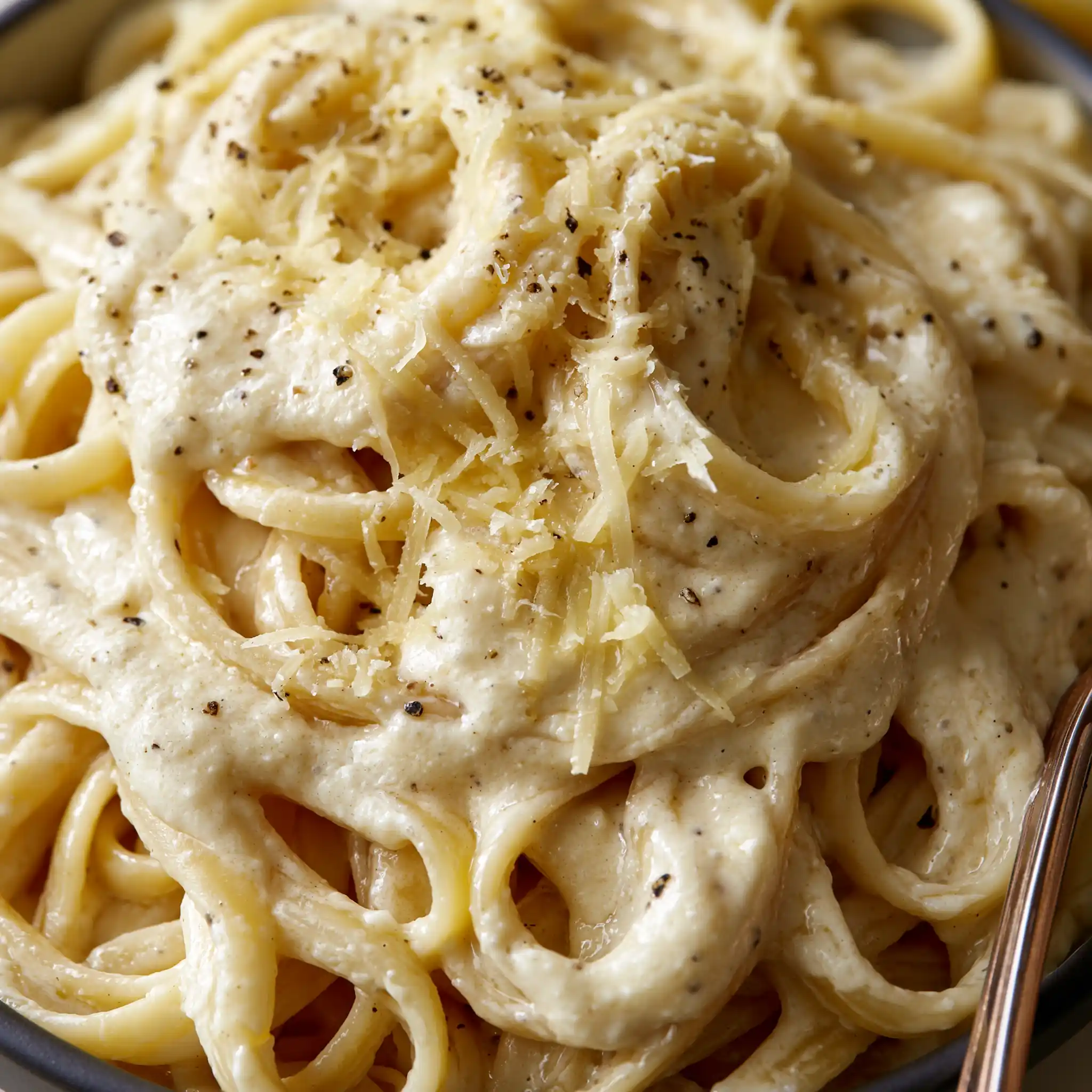
How Thick Should Alfredo Sauce Be?
Ideal Texture
The sauce should coat the back of a spoon but still move easily. It should look a little looser in the skillet because it thickens as it cools and as pasta absorbs moisture.
If It Is Too Thick
Add reserved pasta water one tablespoon at a time and stir completely before adding more. Warm cream can also be used when pasta water is unavailable.
If It Is Too Thin
Let the sauce simmer gently for another minute or two, or add a small amount of additional freshly grated Parmesan.
The Secrets to Smooth Alfredo Sauce
Use Low to Medium Heat
High heat is one of the most common reasons cream sauces break or cheese becomes grainy.
Grate Parmesan Finely
Fine cheese melts faster and more evenly than large shreds. A microplane or fine grater works especially well.
Add Cheese Slowly
Small batches melt before the next addition goes in, reducing clumps and helping the sauce emulsify.
Keep Stirring
Gentle, consistent stirring helps butter, cream and cheese stay combined without overworking the sauce.
Reserve Pasta Water
A few tablespoons can rescue a sauce that becomes too thick after tossing with pasta.
Serve It Fresh
Alfredo is at its best immediately after cooking. Butter and Parmesan firm up quickly as the sauce sits.
How to Fix Grainy or Separated Alfredo Sauce
Easy Homemade Alfredo Sauce Variations
Chicken Alfredo
Top Alfredo pasta with sliced skillet or grilled chicken. Season simply with salt, pepper, paprika and garlic powder.
Garlic Shrimp Alfredo
Cook peeled shrimp separately in butter with garlic and seasoning, then return them to the finished pasta just before serving.
Cajun Alfredo
Add about 1 teaspoon Cajun seasoning to the cream, tasting before extra salt because seasoning blends can already be salty.
Broccoli Alfredo
Add steamed or boiled broccoli florets that have been drained thoroughly. Penne, fettuccine and rigatoni work especially well.
Spinach Alfredo
Stir a few handfuls of baby spinach into the finished sauce and cook only until wilted.
Mushroom Alfredo
Brown sliced mushrooms in butter first, remove them, make the sauce and stir them back in near the end.
Bacon Alfredo
Add crisp crumbled bacon at the end. Taste before salting because both bacon and Parmesan contribute plenty of seasoning.
Sun-Dried Tomato Alfredo
Stir in chopped drained sun-dried tomatoes shortly before serving. Spinach pairs particularly well with this variation.
What to Serve With Creamy Alfredo Sauce
Because Alfredo is rich and creamy, lighter or crisp sides usually make the best contrast.
Garlic Bread
Crisp bread is perfect for picking up sauce left on the plate.
Green Salad
A light vinaigrette with a little acidity balances the butter, cream and Parmesan.
Roasted Vegetables
Broccoli, asparagus, Brussels sprouts, green beans, zucchini and peppers all work well.
Chicken
Grilled or roasted chicken turns Alfredo pasta into a satisfying main dish without adding another heavy sauce.
Shrimp
Garlic shrimp cooks quickly and gives the meal a lighter seafood contrast.
Fresh Tomato Salad
Tomato, cucumber and avocado with a bright dressing can cut through the richness especially well.
Make Ahead, Storage, Freezing and Reheating
Can You Make Alfredo Sauce Ahead?
Yes, although it is at its smoothest immediately after cooking. Cool the sauce, transfer it to an airtight container and refrigerate. It will become much thicker because butter and Parmesan firm up in the cold.
Refrigerator Storage
Store cooled Alfredo sauce in a tightly sealed container. For best quality, use it within about 3 to 4 days. Storing the sauce separately from pasta usually makes reheating easier.
Can Alfredo Sauce Be Frozen?
It can be frozen, but cream-based sauces may separate and become less smooth after thawing. Freeze only after the sauce has cooled completely, thaw gradually in the refrigerator and reheat gently while whisking in a splash of cream if necessary.
Stovetop Reheating
Warm the sauce over low heat with a small splash of heavy cream, whole milk or pasta water. Stir frequently and never bring it to a hard boil.
Microwave Reheating
For a single portion, add a little milk or cream and heat in short intervals, stirring thoroughly between each one so the edges do not overheat.
Why Does It Get So Thick in the Refrigerator?
Butter and Parmesan naturally firm up at cold temperatures, while pasta can continue absorbing sauce. Gentle heat plus a little additional liquid usually restores a creamier consistency.
Estimated Nutrition Information
The values below are the approximate figures supplied with the recipe for the Alfredo sauce alone, divided into four servings. They do not include pasta, chicken, shrimp, bread or other additions, and they are intentionally not added to the structured Recipe data as fixed nutrition claims.
| Nutrition | Approximate Amount |
|---|---|
| Calories | 650–720 kcal |
| Protein | 14–18 g |
| Carbohydrates | 5–8 g |
| Fat | 62–68 g |
| Saturated Fat | 38–42 g |
| Sodium | 600–800 mg |
Creamy Homemade Alfredo Sauce
A silky butter, cream, garlic and Parmesan sauce ready in about 15 minutes.
5 min Cook
10 min Total
15 min Servings
4 Difficulty
Easy
Ingredients
- ½ cup unsalted butter
- 3 garlic cloves, finely minced
- 2 cups heavy cream
- 1½ cups freshly grated Parmesan
- ½ tsp salt, or to taste
- ¼ tsp freshly ground black pepper
- Pinch nutmeg, optional
- 2 tbsp fresh parsley, optional
- Reserved pasta water, as needed
Instructions
- Grate Parmesan, mince garlic and measure all ingredients.
- Melt butter gently over medium-low heat without browning.
- Cook garlic for 30 to 60 seconds until fragrant.
- Add heavy cream and simmer gently for 3 to 4 minutes.
- Lower the heat before adding cheese.
- Add Parmesan in small batches, stirring until smooth.
- Season with black pepper, optional nutmeg and salt only as needed.
- Loosen with pasta water if the sauce becomes too thick.
- Toss with hot pasta directly in the skillet.
- Finish with parsley, extra Parmesan and black pepper.
- Serve immediately while the sauce is silky.
Creamy Homemade Alfredo Sauce FAQ
Can I make Alfredo sauce without heavy cream?
Yes, but the texture will be lighter and thinner. Whole milk may need extra thickening. Heavy cream gives the richest and most reliable result.
Can I use half-and-half?
Yes. It creates a lighter sauce, although it may not be quite as rich or thick. Keep the heat gentle to reduce the chance of separation.
What Parmesan is best for Alfredo sauce?
Freshly grated Parmesan from a block is ideal. Parmigiano-Reggiano is an excellent option when available because of its deep savory flavor.
Can I use mozzarella instead of Parmesan?
Not as a direct replacement. Mozzarella melts differently and can make the sauce stretchy. Keep Parmesan as the main cheese if you want the smooth Alfredo texture.
Why isn’t my Alfredo sauce thickening?
It may need another minute of gentle simmering. The sauce also thickens when Parmesan is added and again as it cools.
Why is my Alfredo sauce too thick?
It may have reduced too much or cooled slightly. Stir in warm pasta water, milk or cream in small amounts until the desired consistency returns.
Why did my Alfredo sauce separate?
The heat was probably too high. Remove the pan from the burner and gently whisk in a small splash of warm cream. Avoid boiling the sauce after adding Parmesan.
Can I make Alfredo sauce with cream cheese?
Yes, but it becomes a different style of Alfredo with a thicker texture and slightly tangy flavor. This version relies on heavy cream and Parmesan.
Can Alfredo sauce be used for more than pasta?
Yes. Try it with chicken, shrimp, broccoli, roasted vegetables, baked potatoes, gnocchi, tortellini, ravioli, pizza or baked pasta.
Can I double this Alfredo sauce recipe?
Yes. Use a larger skillet or saucepan so the dairy heats evenly. The larger batch may need a little extra time, but the same gentle-heat method applies.
How do I keep Alfredo sauce creamy for serving?
Make it as close to serving time as possible and keep it over very low heat. If it thickens, stir in a tablespoon or two of warm pasta water or cream.
Is Alfredo sauce supposed to be very thick?
No. It should be rich but still fluid enough to coat pasta easily. A slightly loose sauce in the pan is ideal because it thickens after tossing and cooling.
A Word From Solivia
Homemade Alfredo sauce is a good reminder that you do not always need a long ingredient list to create a memorable dinner. Butter gives the sauce richness, heavy cream creates the smooth base and Parmesan provides the savory flavor that makes every bite satisfying.
The most important part is treating those ingredients gently. Keep the heat under control, grate the Parmesan fresh, add it slowly and do not rush the sauce after the cheese goes in.
Once you understand those few techniques, the same base becomes useful for chicken Alfredo, shrimp Alfredo, broccoli pasta, mushrooms, spinach or a simple bowl of fettuccine with extra black pepper.
Keep a little pasta water nearby, taste before adding salt and serve the sauce as soon as it is ready. Those small details are what separate a smooth Alfredo from one that becomes heavy, grainy or oily.
Food-Safety Source
For cooked leftovers, USDA Food Safety and Inspection Service guidance recommends refrigerating promptly and generally using leftovers within 3 to 4 days. When reheating leftovers, USDA guidance uses 165°F (74°C) as the reheating temperature. Review the official USDA leftovers and food-safety guidance.
Make This Creamy Alfredo Sauce
Keep the heat gentle, grate your Parmesan fresh and save a little pasta water. Then tell us whether you served it classic or turned it into chicken, shrimp, broccoli or mushroom Alfredo.
View the Printable Recipe